
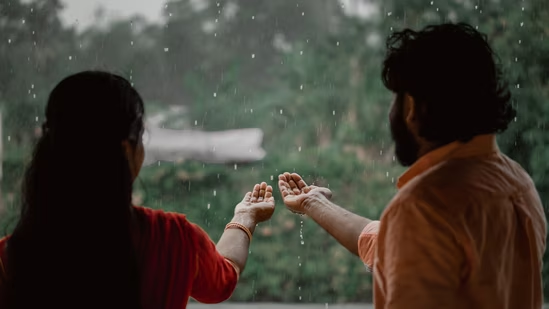

The monsoon season brings welcome relief from the summer heat, but it also creates the perfect environment for bacteria, viruses, fungi, and mosquitoes to thrive. Increased humidity, waterlogging, and fluctuating temperatures can raise the risk of illnesses such as the common cold, flu, dengue, malaria, stomach infections, and fungal skin problems. Fortunately, following a few simple daily habits can help protect your health throughout the rainy season.
1. Stay Hydrated
Even if you don’t feel thirsty, drink enough water throughout the day. Many people unintentionally reduce their water intake during the monsoon, which can lead to dehydration and affect overall health.
2. Eat a Nutritious Breakfast
Start your day with a balanced breakfast that includes protein, whole grains, and seasonal fruits. A healthy breakfast provides energy and supports the immune system, helping your body fight infections.
3. Wash Your Hands Regularly
Good hand hygiene is one of the easiest ways to prevent infections. Wash your hands before eating, after using the washroom, and whenever you return home. When soap and water are unavailable, use a hand sanitiser.
4. Choose Freshly Cooked Food
Avoid stale leftovers, cut fruits sold outside, and unhygienic street food during the rainy season. Freshly prepared meals are less likely to be contaminated and are safer for your digestive system.
5. Prevent Mosquito Breeding
Keep your surroundings clean and free from stagnant water. Regularly empty water collected in coolers, flower pots, buckets, and other containers to reduce mosquito breeding and lower the risk of mosquito-borne diseases.
6. Protect Yourself from Mosquito Bites
Wear full-sleeved clothing, especially during the early morning and evening, and use mosquito repellents to reduce the risk of infections such as dengue and malaria.
7. Maintain Personal Hygiene
If you get wet in the rain, dry yourself thoroughly and change into clean, dry clothes as soon as possible. Keep your feet clean and dry, particularly after walking through waterlogged areas, and wear waterproof footwear whenever possible.
8. Stay Physically Active
Don’t let the weather interrupt your fitness routine. Indoor exercises, yoga, stretching, or a 30-minute brisk walk at home can improve circulation, strengthen immunity, and reduce stress.
9. Get Enough Sleep
Aim for seven to eight hours of quality sleep every night. Adequate rest, along with stress-management practices such as meditation or deep breathing, helps strengthen the immune system.
10. Don’t Ignore Warning Signs
Seek medical attention if you experience persistent fever, severe body aches, prolonged cough, vomiting, diarrhoea, unusual fatigue, or any symptoms that worsen over time. Early diagnosis and treatment can help prevent complications.
Small, consistent lifestyle habits can make a significant difference in protecting your health during the monsoon. Staying hydrated, eating nutritious food, maintaining hygiene, and taking preventive measures can help you enjoy the rainy season while reducing the risk of seasonal illnesses.
Disclaimer: This article is for informational purposes only and should not be considered medical advice. Always consult a qualified healthcare professional for diagnosis, treatment, or medical guidance.

Comments are closed.