
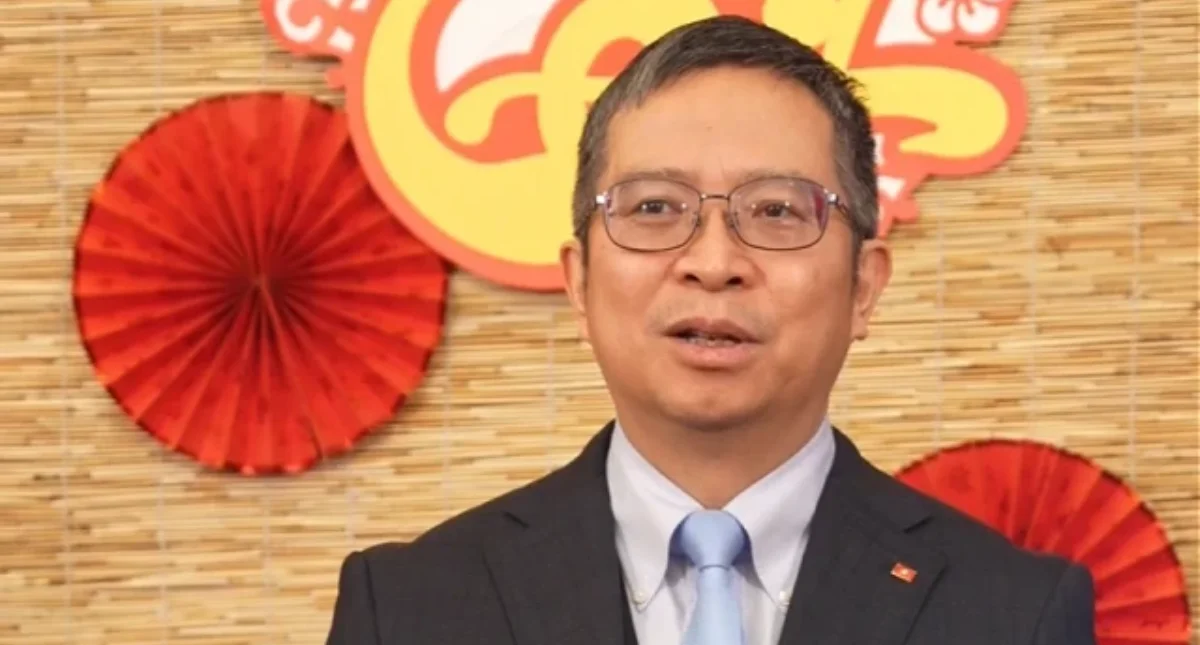

General Secretary and State President To Lam’s arrival in Beijing today marks a pivotal moment for Vietnam-China relations, serving as his first overseas trip since assuming his new leadership roles. This four-day state visit, running from April 14 to April 17, 2026, is designed to reinforce political trust and elevate bilateral cooperation to a new stage of development. The visit signals that both neighbors continue to prioritize their relationship as a cornerstone of long-term strategic growth and regional stability.
Diplomatic significance
To Lam’s decision to make China his first international destination underscores the top priority Hanoi places on its Comprehensive Strategic Cooperative Partnership with Beijing. By meeting with President Xi Jinping shortly after his election, Lam is ensuring policy continuity and strengthening the “comrades plus brothers” narrative. The visit reflects a mutual commitment to maintaining a predictable relationship even as the broader geopolitical environment becomes increasingly complex.
Economic and regional value
The pursuit of sound and sustainable growth is being materialized through practical infrastructure and trade projects. This visit is expected to finalize breakthroughs in strategic connectivity, particularly through the alignment of standard-gauge railway systems and the development of smart border gates. For Vietnam, China remains the primary partner for ensuring stable external supply chains and energy security, while for China, Vietnam is a vital link in its regional modernization strategy.
Strategic outlook
This visit is a clear reaffirmation of stability in a region often shaped by maritime tensions and great power rivalry. By engaging in high-level dialogue, Hanoi and Beijing are signaling their intent to manage differences quietly and avoid unnecessary confrontation. The deeper message is that both countries are keen to protect their economic momentum and keep their political relationship on course, ensuring that the shared future delivers tangible benefits to both nations.

Comments are closed.