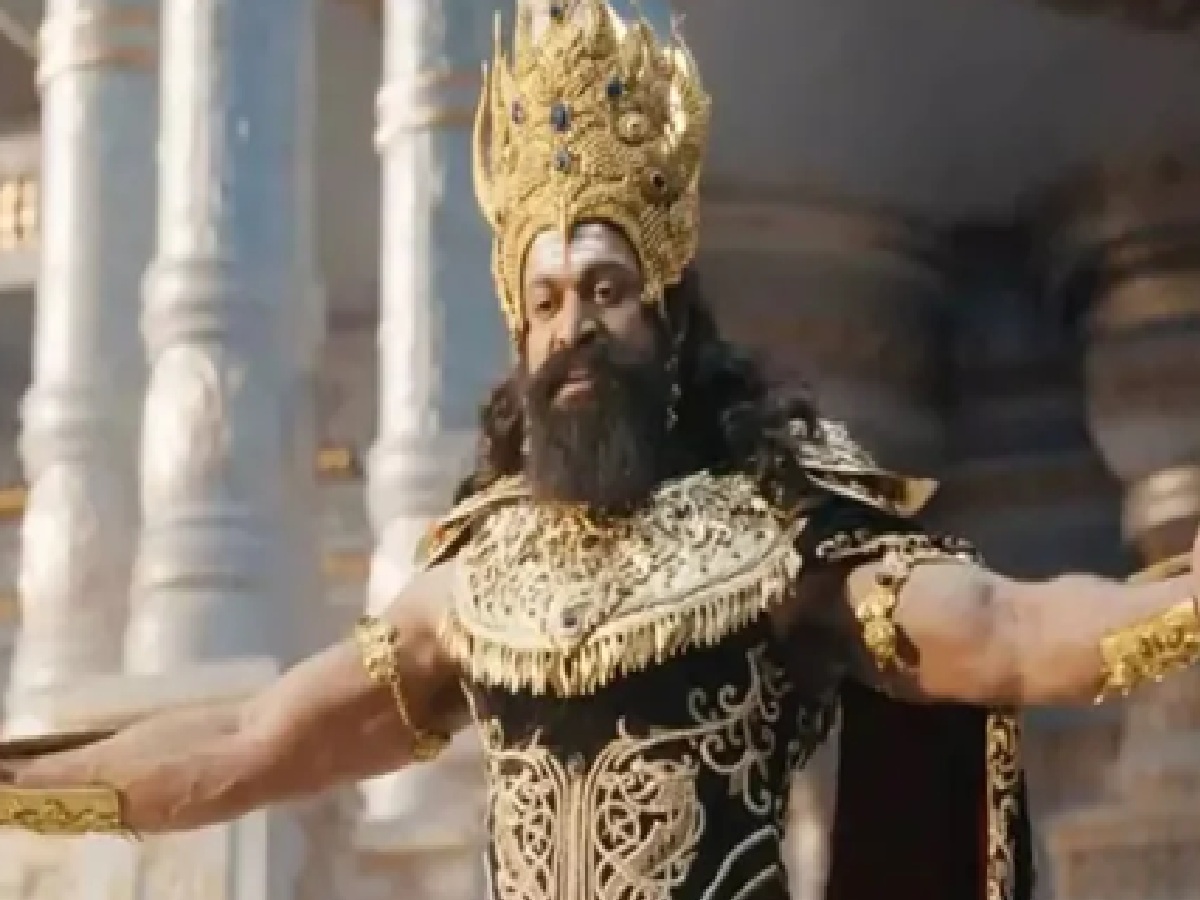
The ancient Sanskrit epic “Ramayana,” composed by the sage Valmiki, has remained a cornerstone of Indian culture, detailing the noble life and ideals of Lord Rama across its seven kands and 24,000 verses. While the epic is universally revered, recent cultural discussions surrounding filmmaker Nitesh Tiwari’s upcoming cinematic adaptation of “Ramayana” have sparked a fresh wave of curiosity, particularly regarding the lesser-known historical and mythological ties between ancient Assam and India’s foundational epics. Social media platforms have been abuzz with these conversations, bringing historical narratives to the mainstream.
Historian Dr. Souradeep Nath Sheds Light on Mythological Ties
The renewed interest largely stems from a viral discussion on popular content creator Ranveer Allahabadia’s “BeerBiceps Podcast,” where acclaimed historian and author Dr. Souradeep Nath explored Assam’s deep-rooted historical and mythological background. During the episode, Dr. Nath pointed out that ancient Hindu scriptures, specifically the Ramayana and the Mahabharata, contain significant references to the geographical and cultural space that modern-day Assam occupies, proving that the region’s civilizational footprint extends far beyond popular medieval timelines.
Pragjyotishpur: The Ancient Mythological Capital
Elaborating on the historical texts, Dr. Nath explained that the ancient kingdom of Pragjyotishpur—widely recognized as present-day Assam—finds prominent mentions in both the Ramayana and the Mahabharata. While the illustrious Ahom dynasty famously ruled Assam from the 13th to the 19th centuries and shaped much of its documented regional history, the civilization and spiritual identity of Assam trace back centuries before the Ahom era. Local legacy and linguistic evolution link the modern name Assam to this historical continuum, while classical texts identify the region as “Pragjyotish,” with its legendary capital, Pragjyotishpur, centered around the sacred Kamakhya Temple.
The Legend of Narakasura and Scriptural References
According to Hindu mythology and Puranic texts, Pragjyotisha was first ruled by the powerful king Narakasura. The Mahabharata and various Puranas describe Narakasura as the formidable ruler of the region, uniquely identified as the son of Bhumi (the Earth Goddess) and Lord Vishnu in his Varaha (boar) avatar. These rich mythological narratives emphasize that Assam’s history is inextricably woven into the grand tapestry of ancient Indian epics, offering a fascinating intersection of heritage, mythology, and modern cinematic discourse.