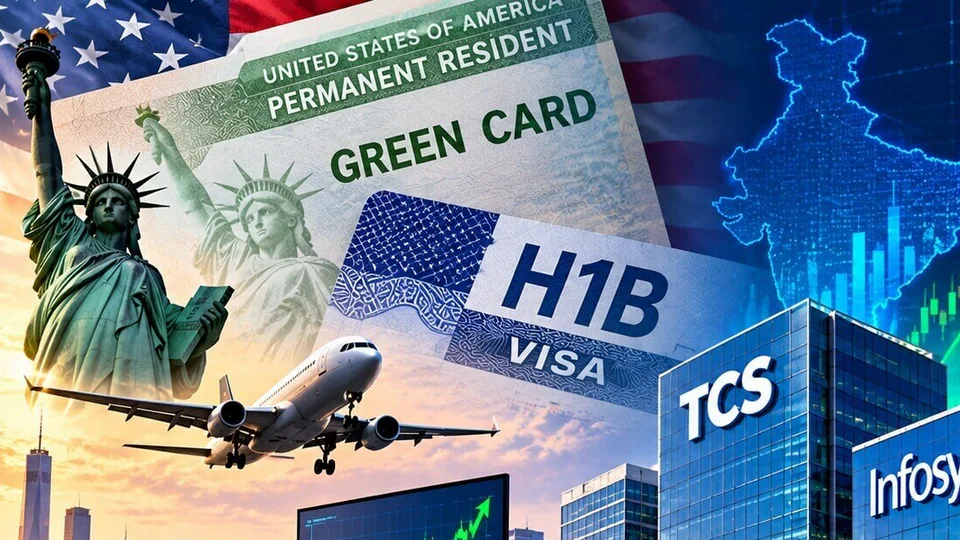
India’s technology industry body Nasscom has said immigration and skilled talent mobility should be treated as separate issues after the United States suspended several companies, including Microsoft, from a programme used to apply for green cards for foreign workers. The move comes amid a wider immigration crackdown under US President Donald Trump, with the administration accusing companies of abusing the system.
The suspension affects the US Department of Labor’s Permanent Labour Certification (PERM) programme, a key step in the employment-based immigration process for foreign workers seeking permanent residency. The decision has raised concerns among technology companies that rely on international talent to support their operations in the United States.
In response, the National Association of Software and Service Companies (Nasscom) said the suspension concerned a specific immigration pathway and should not be interpreted as a broader restriction on skilled talent mobility.
Credits: Bussiness
Nasscom says immigration and talent mobility are distinct
Nasscom emphasised that immigration policies and the movement of skilled professionals serve different purposes and should not be viewed through the same lens.
“While the decision affects a specific immigration pathway, Nasscom has consistently maintained that immigration and skilled talent mobility are two distinct issues and should not be viewed through the same lens,” the industry body said.
The organisation also highlighted changes in the hiring practices of Indian technology companies, noting that they had reduced their dependence on H-1B visas while steadily expanding local recruitment and building a stronger domestic workforce in the US.
According to Nasscom, Indian technology companies work with most Fortune 500 companies in the United States, helping businesses innovate, expand and create employment opportunities locally.
The industry body added that the number of employees transitioning from H-1B visas to permanent residency through the PERM process was relatively small.
Nasscom further noted that Indian technology companies operate in more than 80 countries and have consistently demonstrated their commitment to complying with local laws and regulatory requirements.
“We are confident that they will continue to adhere to applicable regulations in the US as well,” it said.
What is the US PERM programme?
The Permanent Labour Certification programme is an important stage in the employment-based green card process for eligible foreign workers. It generally requires employers to demonstrate that qualified American workers are not available for the position under the applicable rules and that employing a foreign worker will meet the programme’s requirements.
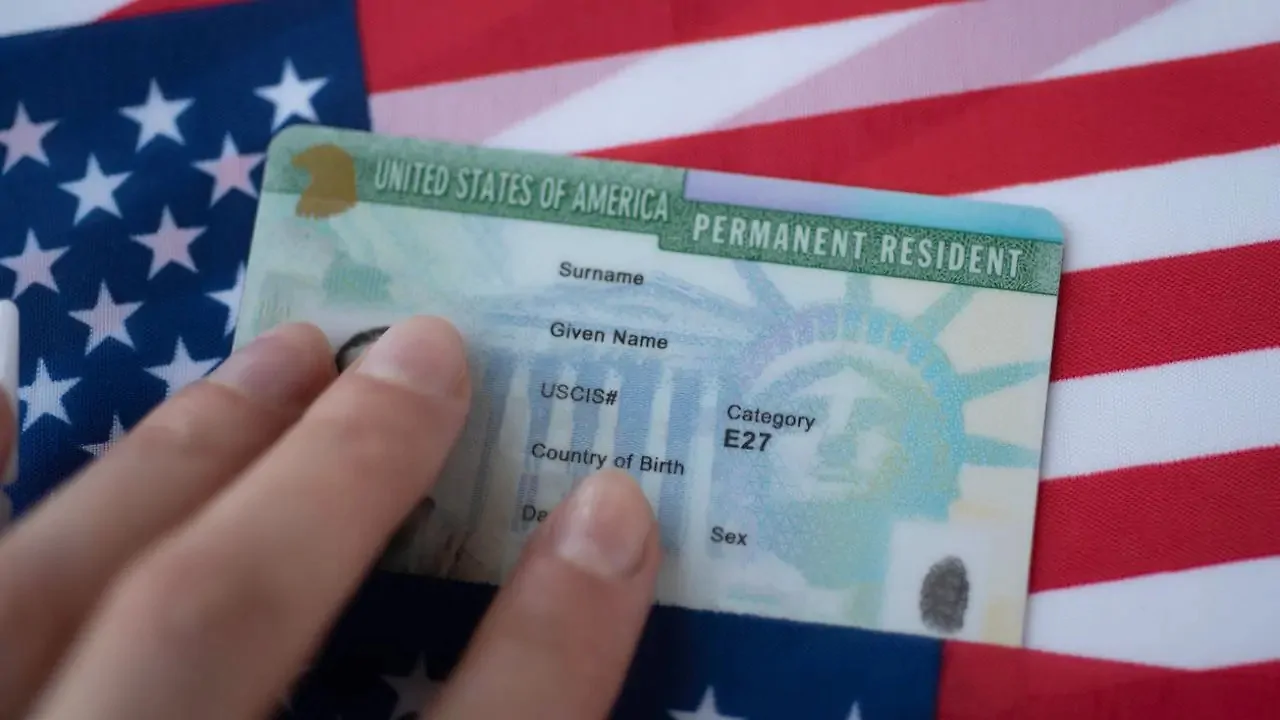
A green card grants lawful permanent resident status, allowing an eligible foreign national to live and work permanently in the US.
The suspension could affect companies seeking to sponsor employees for permanent residency through this route. However, PERM is distinct from the H-1B temporary work visa programme, which allows eligible foreign professionals to work in specialised occupations in the United States.
Consequently, a suspension affecting PERM applications does not automatically mean that existing H-1B visas have been cancelled or that all foreign professionals employed by the affected companies must leave the country.
For Indian IT firms, the distinction is significant because their US operations involve both local employees and professionals who move internationally to support projects and client requirements.
Credits: Times Now
Microsoft defends its H-1B visa applications
Microsoft responded to the suspension by defending its employment practices and the H-1B petitions it files for foreign professionals. The company said the vast majority of its employees in the US are American citizens.
“We believe in the strength and talent of the American workforce. That is why the vast majority of Microsoft employees in the US are Americans. We look forward to providing the administration with additional information,” the company said.
Microsoft also provided details about its H-1B visa applications during the previous fiscal year. The company said that of nearly 6,000 applications it submitted, approximately 80% were intended to extend or change the status of existing employees.
The remaining applications concerned new employees who were already legally present in the United States and had decided to join Microsoft. According to the company, these individuals represented only 1% of its US workforce and were not new arrivals to the country.
Microsoft defended its hiring practices, saying it files petitions for candidates who meet the requirements of the H-1B visa category.
The company also said it pays employees some of the highest compensation in the technology sector and that its wages are among the highest across H-1B filings.
“We pay our H-1B employees the same as any other employees doing comparable work,” Microsoft said.