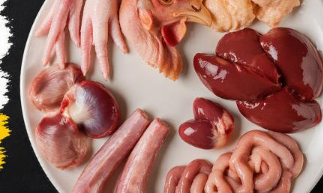
Which Part of Chicken Has the Most Bacteria? The Real Food Safety Facts Every Chicken Lover Should Know
Chicken is one of the most popular non-vegetarian foods around the world. From chicken curry and biryani to roasted chicken and tikka, it is a regular part of meals for millions of people. It is also valued for its protein content and versatility.
But there is an important food-safety fact that many people overlook: raw chicken can carry harmful bacteria, and the way it is handled in the kitchen can be just as important as how it is cooked.
Is There One Part of Chicken With the Most Bacteria?
Not necessarily. There is no reliable food-safety evidence that identifies the skin, tail, liver or gizzard as universally having the highest bacterial load in every chicken.
However, raw poultry can be contaminated with bacteria such as Campylobacter, Salmonella and Clostridium perfringens. Campylobacter and Salmonella are particularly important causes of foodborne illness associated with poultry.
During slaughter and processing, bacteria from the bird’s digestive tract can potentially contaminate meat and other surfaces. This means that consumers should treat all raw chicken and its juices as potentially contaminated, regardless of which cut they are handling.
The Biggest Mistake? Washing Raw Chicken
One of the most common kitchen habits is washing chicken under running water before cooking. Surprisingly, food-safety authorities advise against this practice.
The problem is cross-contamination. Water splashing over raw chicken can spread contaminated droplets and juices onto the sink, countertops, utensils and nearby food.
USDA says washing poultry does not reliably remove bacteria, while cooking it properly does. CDC also states that raw chicken is ready to cook and does not need to be washed first.
Which Bacteria Can Be Present in Raw Chicken?
Campylobacter
Campylobacter is commonly associated with raw or undercooked poultry. Infection can cause diarrhea, fever and abdominal cramps.
Salmonella
Salmonella can also be present in poultry and may cause diarrhea, fever and stomach cramps. In some people, particularly vulnerable groups, infection can become more serious.
Clostridium perfringens
This bacterium is another foodborne pathogen associated with contaminated food and improper handling or cooking.
How to Handle Chicken Safely
The safest approach is simple: clean, separate, cook and chill.
1. Don’t wash raw chicken: Put it directly on a clean cutting board and prepare it for cooking.
2. Use a separate cutting board: Keep raw chicken away from vegetables, fruit, salad ingredients and cooked food. FSSAI also recommends preventing contact between raw meat and ready-to-eat foods.
3. Wash your hands: Use soap and water for at least 20 seconds after handling raw poultry.
4. Clean kitchen surfaces: Wash knives, cutting boards, utensils and countertops thoroughly after preparing raw chicken.
5. Cook chicken thoroughly: The CDC recommends cooking poultry to an internal temperature of 165°F (74°C), measured with a food thermometer.
6. Store it properly: Keep raw chicken refrigerated and prevent its juices from leaking onto other foods.
The Bottom Line
Chicken can absolutely be part of a nutritious diet, but raw poultry should always be treated as a potential source of harmful bacteria. Rather than worrying about one particular part of the chicken being the “most dangerous,” the more important lesson is to avoid cross-contamination and cook the chicken thoroughly.
And if you have been washing raw chicken under the tap, it may be time to stop. Proper cooking—not washing—is what makes chicken safe to eat.