
Worley shares plunge as Middle East conflict and strong Australian dollar hit earnings outlook

Australian engineering giant Worley shocked investors on Thursday after revealing that the financial damage caused by the Middle East conflict is significantly worse than it had originally estimated.
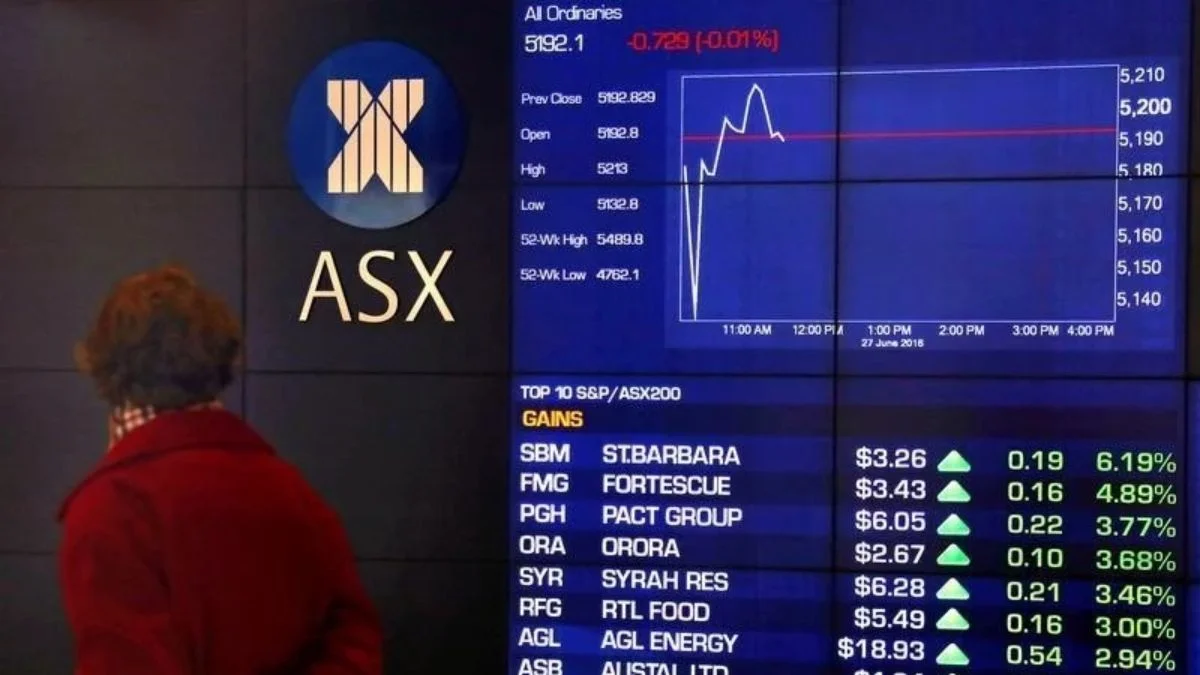
The update triggered a sharp selloff in the company’s shares, which dropped more than 10% during trading and ranked among the weakest performers on Australia’s benchmark ASX 200 index.
The warning comes as businesses operating across the region continue to face uncertainty from prolonged geopolitical tensions, delayed investments, and slower project activity.
Worley earnings impact from the Middle East conflict doubles
Worley said it now expects the conflict in the Middle East to reduce its full-year underlying operating earnings by around A$60 million.
That figure is nearly double the company’s earlier estimate of between A$30 million and A$40 million.
According to the company, the conflict has continued to disrupt business activity across the region. Existing projects have experienced ongoing delays, while decisions on new projects are taking longer than expected.
The company stressed that no projects have been cancelled so far. However, delays in contract awards and project commencements have created a bigger financial impact than management initially anticipated.
For a company that generates a significant portion of its revenue from large energy, infrastructure, and industrial projects, timing is critical. When major projects are pushed back, revenue recognition and earnings can also be delayed.
Strong Australian dollar adds pressure on Worley outlook
The Middle East challenges are not the only issue weighing on the company’s earnings forecast.
Worley also warned that the stronger Australian dollar could create an additional A$50 million drag on its reported annual underlying operating earnings.
The Australian currency climbed to its highest level in nearly four years earlier this year. While a stronger currency can benefit consumers and businesses importing goods, it often creates challenges for multinational companies that earn a large share of their revenue overseas.
When foreign earnings are converted back into Australian dollars, a stronger local currency can reduce the value of those earnings on financial statements. This translation effect does not necessarily reflect weaker business activity, but it can still have a meaningful impact on reported profits.
What investors are watching next for Worley
The latest update highlights how vulnerable global engineering and consulting firms remain to geopolitical disruptions and currency swings.
Investors will now be closely monitoring whether project activity in the Middle East begins to recover during the coming months. Any improvement in project approvals, contract awards, or construction timelines could help ease pressure on future earnings.
At the same time, currency movements will remain a key factor. If the Australian dollar stays near current levels, the translation impact could continue to weigh on reported results.
For now, Worley faces a difficult combination of delayed projects and unfavorable currency conditions. The company’s next earnings report will likely provide a clearer picture of whether these challenges are temporary setbacks or signs of a longer period of pressure on growth.

Comments are closed.