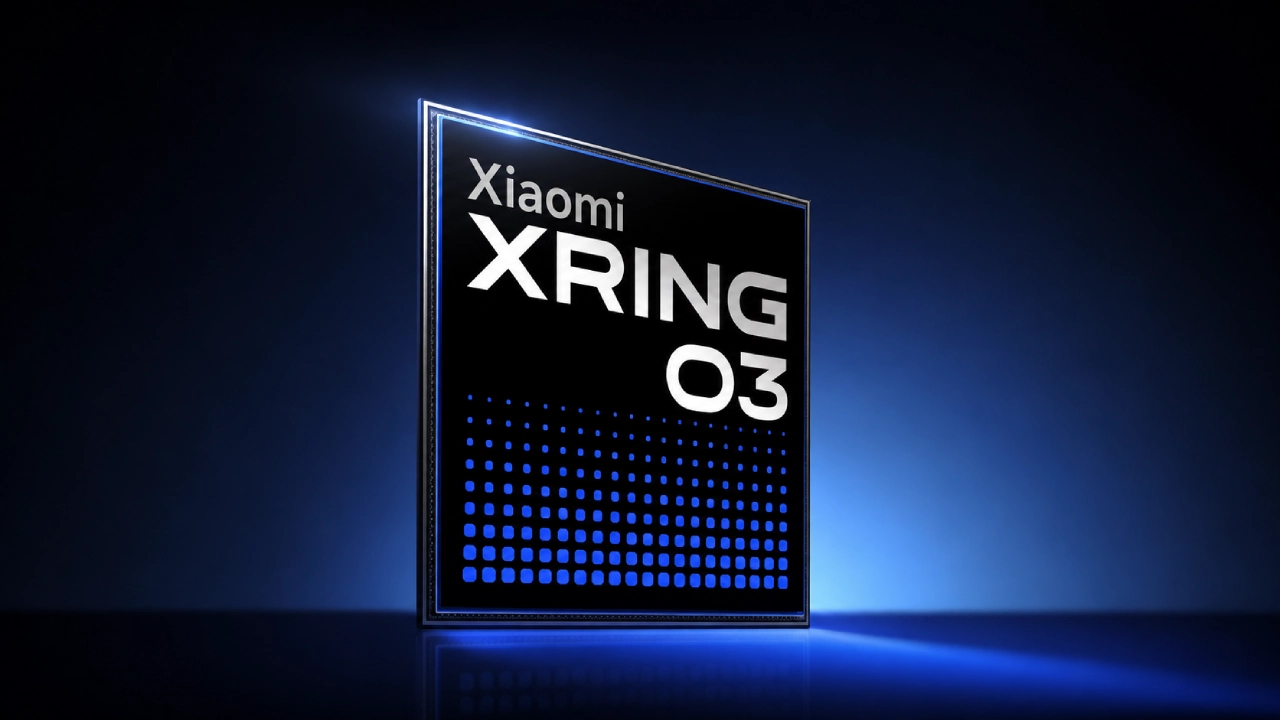
Xiaomi says the Xiaomi XRING O3 has crossed 5.22 million on AnTuTu V11. It also says this comes from Xiaomi Internal Labs tests. So this number is a company-reported result, not an independent retail device benchmark. The XRING O3 is built on a 3nm process. Xiaomi lists a 133mm² die size. It also says the chip counts 24 billion transistors. Xiaomi compares that to the XRING O1, which it says has 19 billion transistors. CPU details follow.
The XRING O3 uses a 10-core layout. Xiaomi says all the cores are big cores. It also lists a top speed of up to 4.35GHz. Xiaomi then talks about multi-core gains and power use. It claims 60% higher multi-core performance against the XRING O1.
10-Core CPU: Aiming for Faster Work
The XRING O3 brings a new CPU setup. Xiaomi uses a 10-core layout made only of big cores. It is split into six ultra-big cores plus four big cores. Xiaomi says the CPU can run as high as 4.35GHz. The design also includes dual SME2 accelerator units. In Xiaomi’s own tests, it recorded 3,945 for single-core and 15,221 for multi-core. Xiaomi compares this chip to the XRING O1.
The claim is that multi-core results are 60% higher. At the same time, power use is said to be down by 25%. One key point in Xiaomi’s wording is that it talks about efficiency, not just top speed. Still, the 4.35GHz value looks like a maximum clock figure. It does not mean every core runs at that rate. Xiaomi did not share full frequency details for each CPU cluster.
G2-Ultra NX GPU: Bigger Graphics Boost
GPU performance is the next headline for the XRING O3. Xiaomi adds a new 16-core G2-Ultra NX GPU. It uses eight NX Neural units. The chipset also supports hardware AI work. Xiaomi reports major jumps versus the XRING O1. It says GPU performance is up by 85%. Power draw is claimed to be lower by 64%. For ray tracing, Xiaomi also states an 182% increase.
The eight NX Neural units suggest more hardware aimed at AI tasks within the graphics part. But Xiaomi’s materials do not list a full throughput number for AI or NPU use. Because of that, it may be too soon to treat these units as a separate NPU.
What does the 5.22M+ AnTuTu score tell us
The top AnTuTu score in Xiaomi’s update is what most people will notice first. A result higher than 5.22 million places the XRING O3 in the flagship range, according to Xiaomi’s own in-house checks. Still, benchmark numbers are not always the same across every setup. Different hardware choices, cooling quality, software builds, and test methods can all change the outcome.
Xiaomi’s slide also calls the AnTuTu figure an Internal Labs run. It also notes that the CPU numbers come from development board testing. Because of that, the short write-up does not fully support using these scores as results from a retail phone sold to buyers.
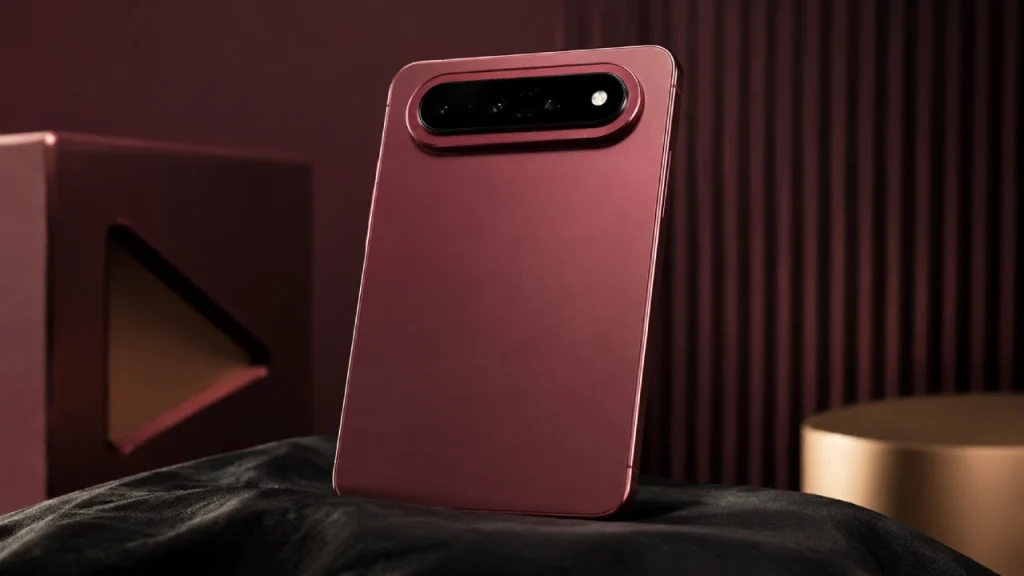
Final Thoughts On Xiaomi XRING O3
Even with the strong spec list, some key points are still not clear. The material does not name which commercial model will ship first with the XRING O3. It also does not show real thermal behavior, long session gaming results, or how much battery life will truly improve. The manufacturing partner or foundry is not stated either. For now, the XRING O3 mainly signals that Xiaomi is still putting money into its own phone chip design. The mix of a 3nm process, 24 billion transistors, a 10-core CPU, and a 16-core G2-Ultra NX GPU suggests a major step up from the XRING O1.