
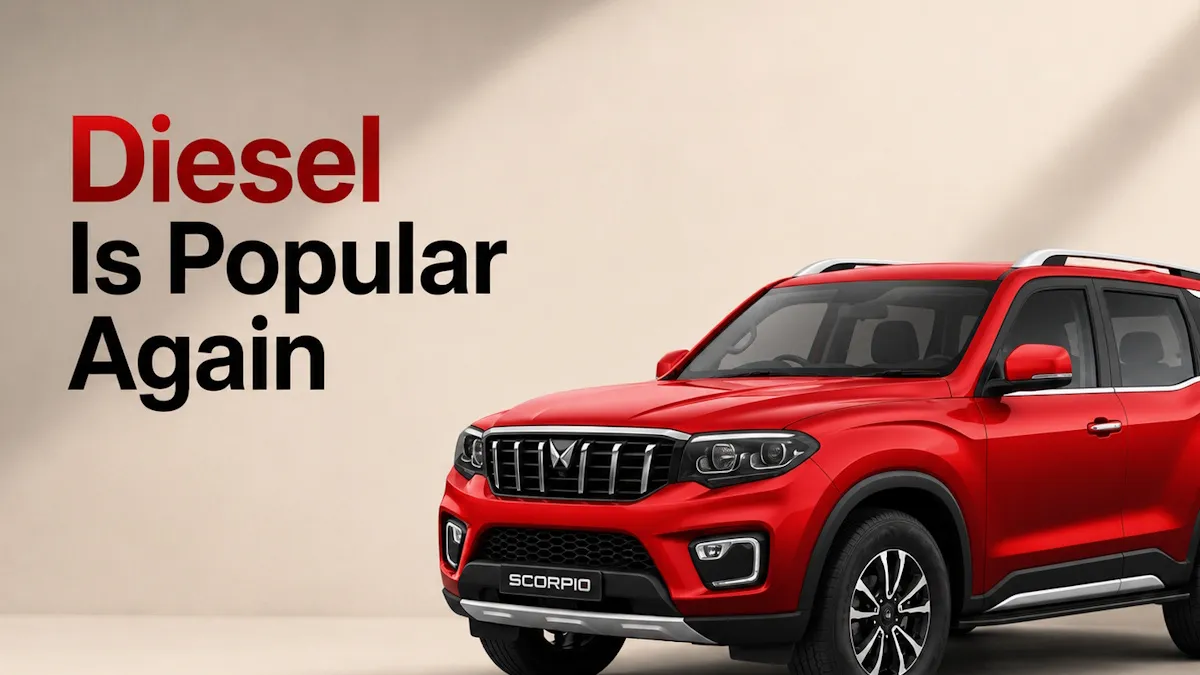

For the last few years, diesel cars have been losing their ground in India. One of the major reasons behind this is the shift of buyers towards petrol, CNG, and electric vehicles. However, now as E20 petrol (20 percent ethanol-blended petrol) has become the main talking point before buying petrol cars, the trend of diesel cars is coming back. Diesel-powered passenger vehicles have now started to make a comeback as their market share has seen a jump in the month of June.
According to vehicle registration data sourced from Vahan and FADA, the share of diesel cars in India’s passenger vehicle market has increased from 18.08 percent in FY26 to 19.39 percent so far in FY27. Monthly diesel registrations have also grown by almost 15 percent. They have increased from around 71,400 units last financial year to approximately 82,000 units.
One of the main reasons for diesel passenger cars becoming more popular again is because of E20 petrol. As we are aware, India has already adopted 20 percent ethanol-blended petrol, and the government has indicated that it is planning to introduce higher ethanol blends in the future.
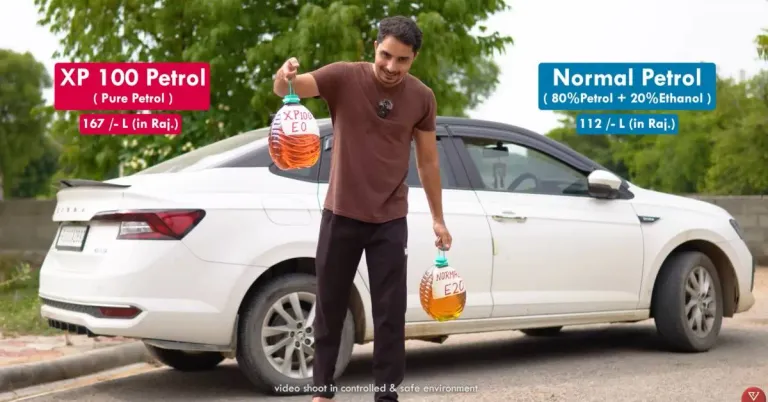
Now, although many manufacturers, including Maruti Suzuki, have stated that their vehicles are compatible with E20 petrol, there is still a section of buyers which is concerned about the long-term impact of higher ethanol blends, especially on older vehicles. A lot of dealers have reported that these concerns have encouraged some customers to consider diesel vehicles over petrol cars.
This has especially become the case for owners who are planning to keep their cars for many years. Tata Motors has not directly blamed E20, but it has stated and agreed that diesel cars are still being actively considered by SUV buyers.

As we all know, unlike petrol, diesel has not been affected by India’s ethanol blending programme. The government did try to blend ethanol with diesel. However, vehicle compatibility and fuel stability tests did not produce satisfactory results. Instead, the government is now evaluating Isobutanol as an alternative renewable fuel for diesel engines.
So, unlike ethanol, Isobutanol is significantly less corrosive, absorbs much less water, and is more compatible with diesel fuel. It also has a much higher energy density, around 29.2 MJ per litre compared to ethanol’s 21.3 MJ per litre. So, as a result, lower blend levels are expected to have a much smaller impact on fuel efficiency and engine performance. Current proposals suggest blend levels of around 5 to 10 percent, which will be safe to run on BS6 diesel cars.
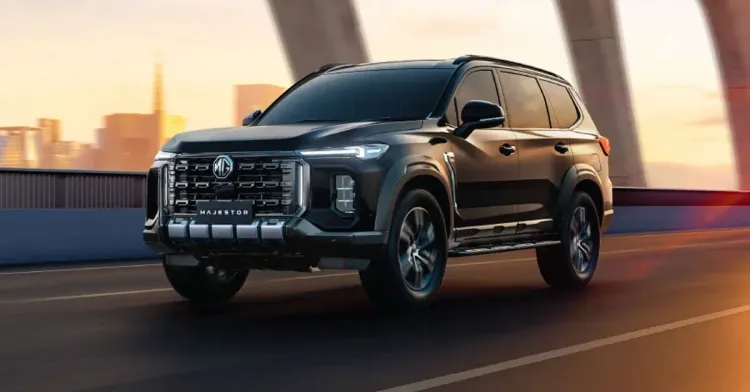
Another one of the biggest reasons behind diesel’s comeback is the increasing popularity of SUVs. A lot of buyers who are spending around Rs 15 lakh or more still prefer diesel engines. This is because of their strong low-end torque, relaxed highway performance, and lower running costs.
Tata Motors Passenger Vehicles and Tata Passenger Electric Mobility Managing Director Shailesh Chandra has recently confirmed that diesel demand has been increasing in the company’s portfolio. According to him, whenever SUV sales grow, especially in the Rs 15 lakh segment, there is naturally a stronger preference for diesel powertrains.
Additionally, luxury carmaker Mercedes-Benz has also reported a similar trend. It has stated that diesel currently contributes around 40 percent of its total India sales. The company has stated that customers are still prioritizing the overall cost of ownership, and higher petrol prices have led many buyers to choose either diesel or electric vehicles.
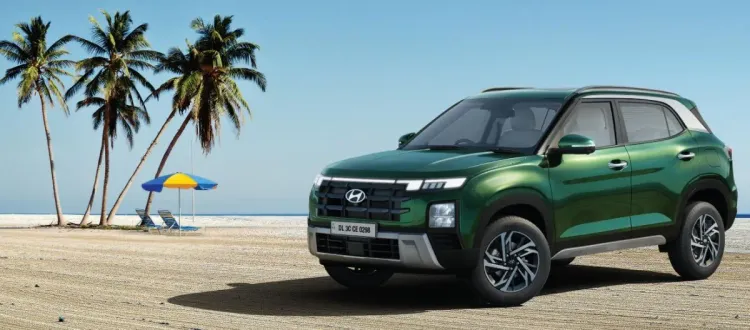
The market has also seen a steady stream of new diesel-powered SUVs over the last two years. A number of manufacturers have continued to invest in diesel engines despite the growing focus on electrification.
Recent launches such as the Mahindra XUV 3XO, Thar Roxx, Tata Curvv, Harrier and Safari facelifts, and Hyundai Creta, along with the Hyundai Alcazar facelift, Kia Seltos facelift, Syros, Carnival, Jeep Meridian facelift, and JSW MG Majestor, have all helped in keeping diesel relevant in the market.
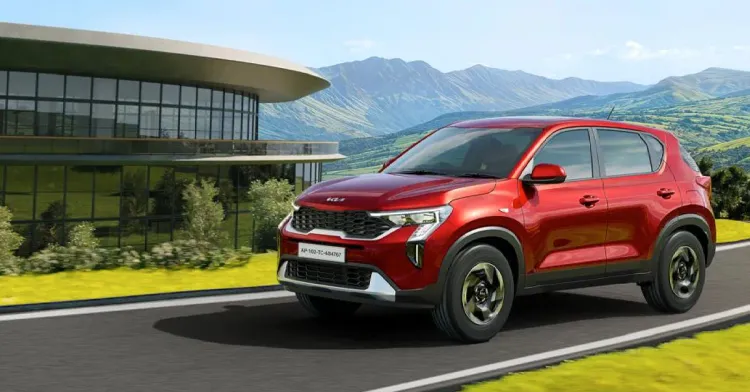
One of the main reasons why people still prefer to buy diesel cars is because of lower running costs. For car buyers who cover a high annual mileage, diesel still offers a lower running cost. Although diesel vehicles generally cost more to purchase than comparable petrol models, diesel engines deliver better fuel efficiency. The lower price of diesel is also a major factor.
Modern diesel engines have also become a lot more refined than before. This offers strong performance, effortless highway cruising, and excellent drivability. A lot of buyers who regularly travel long distances are also less likely to face Diesel Particulate Filter (DPF) issues. Generally, those who drive less have to face this issue.
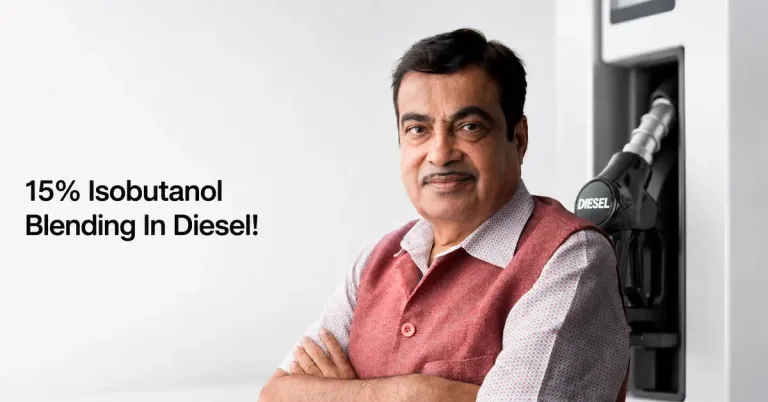
Unfortunately, the biggest uncertainty surrounding diesel today is the upcoming BS7 emission norms. The proposed use of lower Isobutanol blends could actually reduce soot, particulate emissions, carbon monoxide, and hydrocarbons because of cleaner combustion.
However, Nitrogen Oxide (NOx) emissions may increase slightly under heavy engine loads. This will require Selective Catalytic Reduction (SCR) systems to work harder and increase AdBlue consumption.
However, even after these issues, a lot of buyers still depend heavily on diesel for commercial transport and logistics. So, this makes it unlikely that the government will move towards very high blending in the near future. This again gives diesel buyers more confidence about long-term ownership.
Source
Comments are closed.