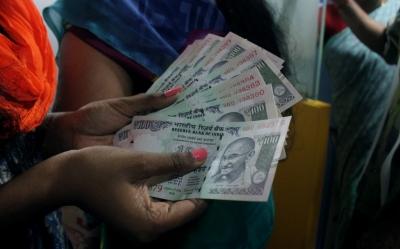
Cash in circulation in India continues to grow at double-digit rates despite the rapid adoption of digital payments, particularly in rural and semi-urban areas and among low-income groups, older populations and small businesses, Reserve Bank of India (RBI) Deputy Governor Shirish Chandra Murmu has said.
“Currency in circulation continues to grow at double-digit rates even as cash’s share of individual transactions declines, thanks to growing digital payment adoption,” Murmu said in a speech at an event organised by Bank Indonesia in Jakarta on August 13.
He said the combination of rising cash circulation and declining cash usage in individual transactions makes future demand for currency harder to predict and complicates planning for production and distribution capacity.
“Cash remains a significant mode of payment in the Indian economy,” Murmu said, stressing that maintaining trust in currency through clean notes, secure logistics and a reliable cash ecosystem remains important for monetary sovereignty.
The RBI has produced between 28 billion and 30 billion banknotes annually in recent years across six denominations and disposed of around 21 billion pieces each year, according to Murmu.
India currently has around 176 billion banknotes in circulation. By comparison, about 56 billion US dollar bills and 30 billion euro banknotes were in circulation at the end of last year.
Murmu noted that the comparison is influenced by India’s denomination mix, which is weighted towards lower-value notes and therefore requires a larger number of banknotes for the same value of transactions.
The RBI is also exploring ways to extend the life of banknotes, including surface coatings on the substrate and the use of polymer notes for lower denominations.
The central bank is working to reduce the carbon footprint of the cash cycle by optimising its distribution network and improving the disposal of banknote briquettes, Murmu said.